RareAnimes: classic anime from 1969 to 1999, from Astro Boy, The Mysterious Cities of Gold, Urusei Yatsura and Magical Angel Creamy Mami to Alfred J. Kwak, El-Hazard, Sazae-san and Queen Emeraldas, and where to watch them
157 classic and hard-to-find anime: 137 series and 20 films from 1969 to 1999.
Browse all series →1/ Most watched
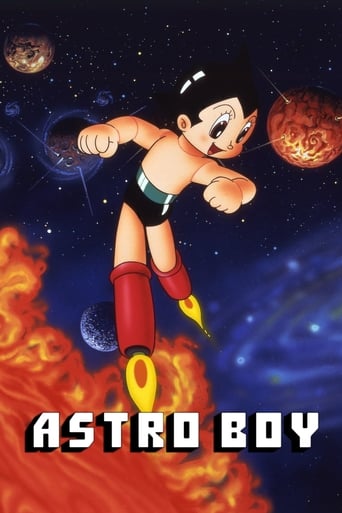 52 episodes
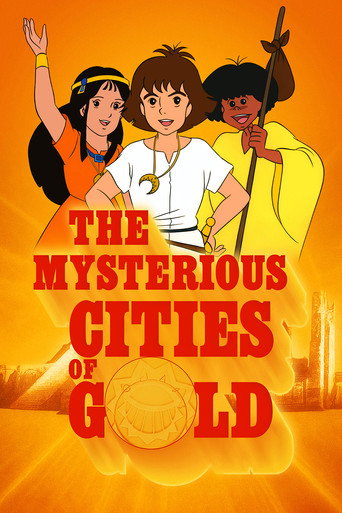 117 episodes
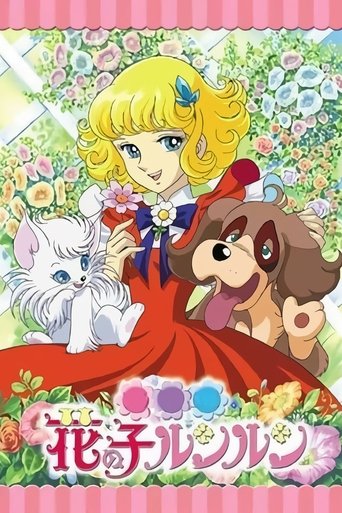 50 episodes
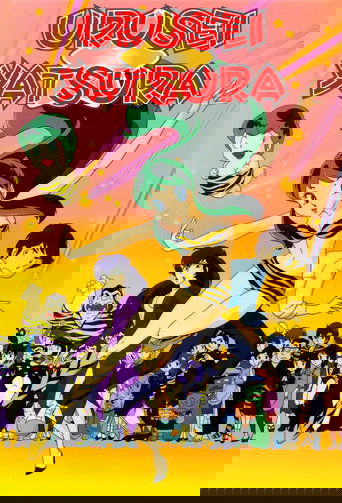 218 episodes
 52 episodes
 45 episodes
 52 episodes
 52 episodes
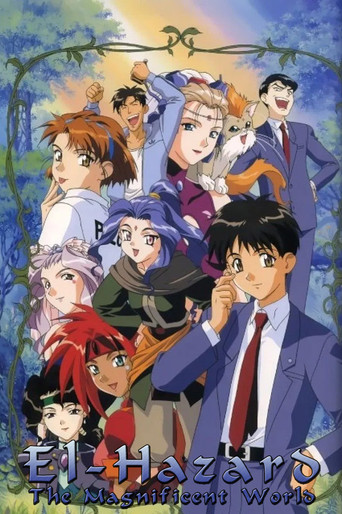 24 episodes
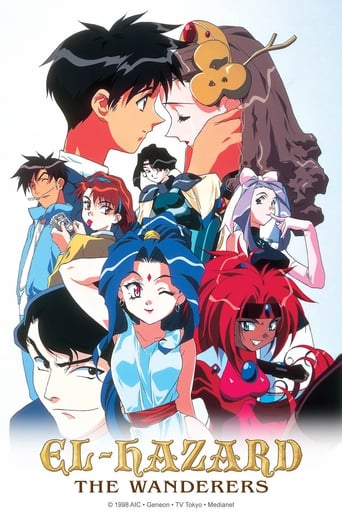 26 episodes
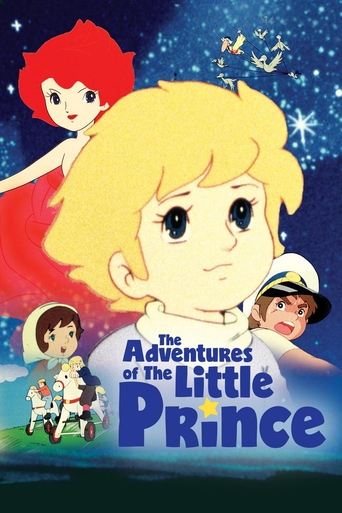 35 episodes
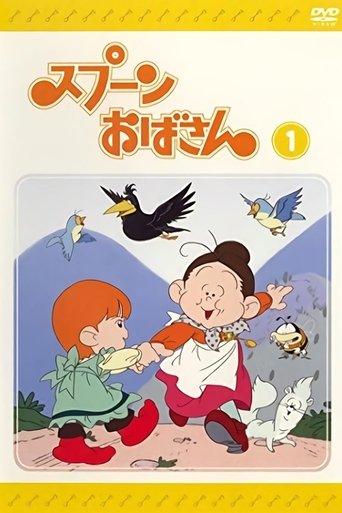 130 episodes
2/ Films
 Film
Film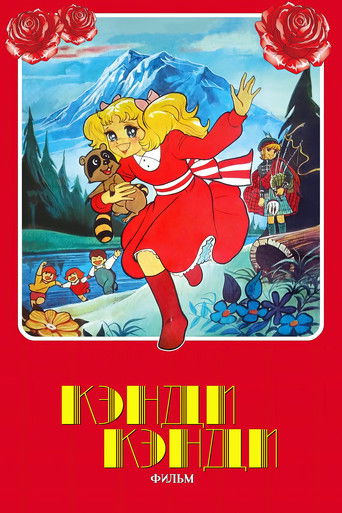 Film
Film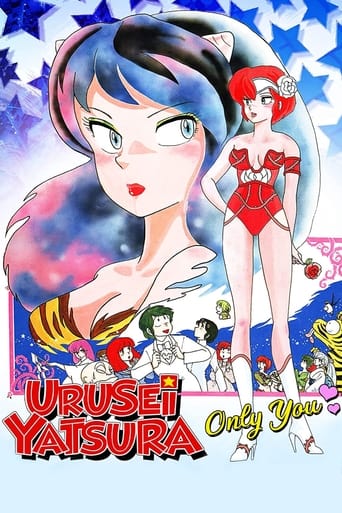 Film
Film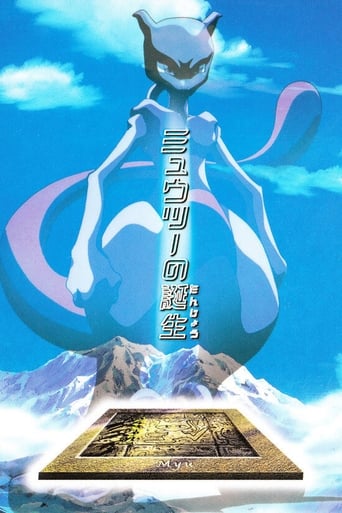 Film
Film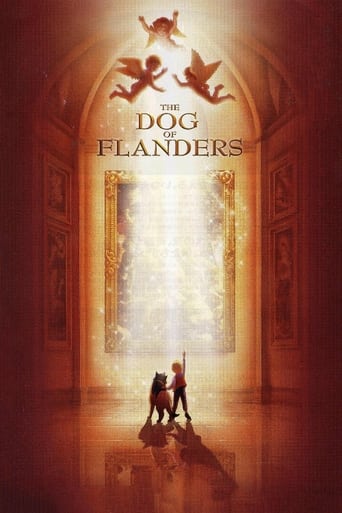 Film
Film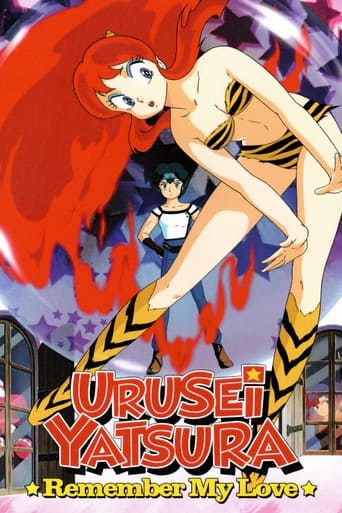 Film
Film3/ Storybook classics
 Film
Film Film
Film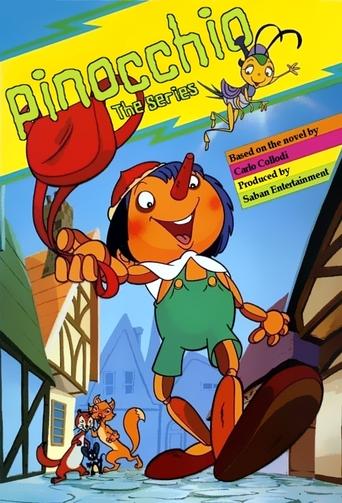 52 episodes
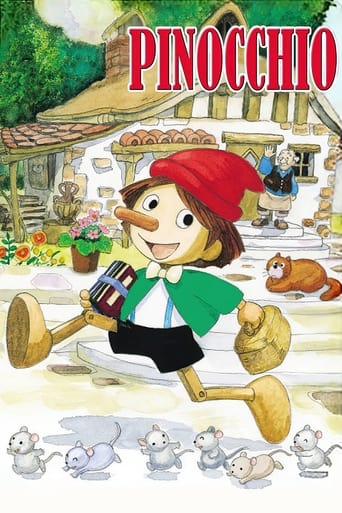 52 episodes
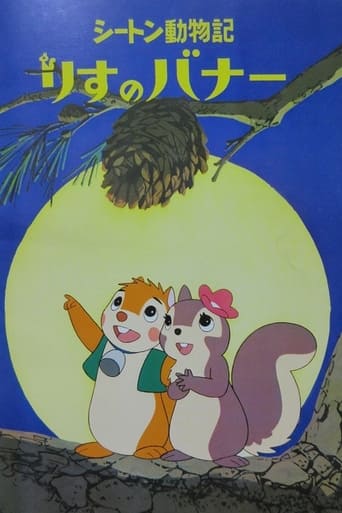 26 episodes
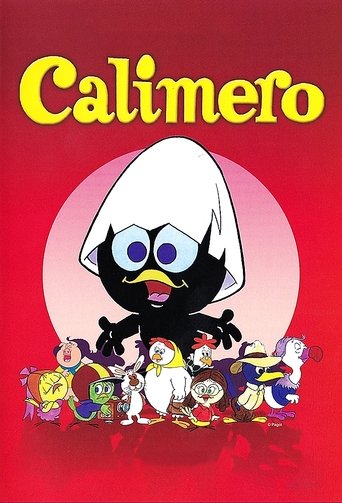 90 episodes
4/ Collections
5/ By year
6/ Help
7/ Classic anime: the RareAnimes guide
RareAnimes: classic anime from 1969 to 1999, from Astro Boy, The Mysterious Cities of Gold, Urusei Yatsura and Magical Angel Creamy Mami to Alfred J. Kwak, El-Hazard, Sazae-san and Queen Emeraldas
Anime is older than most of its admirers. Long before it filled the streaming services, Japanese studios were turning the children's books of Europe and America into serials of fifty-two episodes, inventing the magical girl, sending robots to play baseball, and filling the shelves of video shops with short adventures that were seen once and then vanished. RareAnimes is a guide to that earlier world. It gathers 157 anime made between 1969 and 1999, 137 series and 20 films, each with its own page, its story, its year, its episodes and a Watch now button that leads to the official services carrying it in your country.
The catalogue has been chosen by hand for a general audience. It favours the series that families watched: storybook adaptations, comedies, magical girls, heroic robots and space adventures. The harsher video titles of the period, with their horror and violence, were left out, as were anything made for adults.
The sections below follow the kinds of anime in turn, then the decades, and end with a few plans for a first week. Each section links to a short help page, and the How to watch page sums up the simple steps from the search box to the official service.
How RareAnimes looks
RareAnimes keeps the look of the site it is named after as it stood in the summer of 2026. The page is black. At the top is a tall bar with the name RAREANIMES in squared capital letters, the first word in bright yellow, and a short yellow menu at the right: Home, Series, Movies, Collections, A-Z and My List. A link turns red on yellow when the pointer passes over it. Beneath the bar runs a thin strip of dark red with a line of small white capitals.
The first thing on the page is a large rounded search box with a yellow button, since the original was built around its search. The title of the site follows, with a red button that opens the full list of series, and then three small panels numbered one, two and three that explain how the site works. A row of tabs comes next, and below it the page is laid out as a numbered list, in the manner of the original's questions and answers: 1/ Most watched, 2/ Films, 3/ Storybook classics, and so on, each with a grid of rounded poster cards. A small cyan label on every poster gives the number of episodes.
The colours are black, a strong yellow, red, a dark red and a touch of cyan. Headings are set in Quantico, a squared face, and the text in Fredoka, a rounded one. On a telephone the menu folds behind a button with three lines and the posters stand two to a row.
Storybook classics
In the 1970s and 1980s Japanese television made a speciality of adapting the children's literature of the world, a year at a time, with great care for scenery and feeling. These series were sold to dozens of countries, and for millions of viewers in Europe, Latin America and Asia they were simply the cartoons of childhood. The Storybook classics collection holds 35 of them, and the Storybook classics help page suggests where to begin.
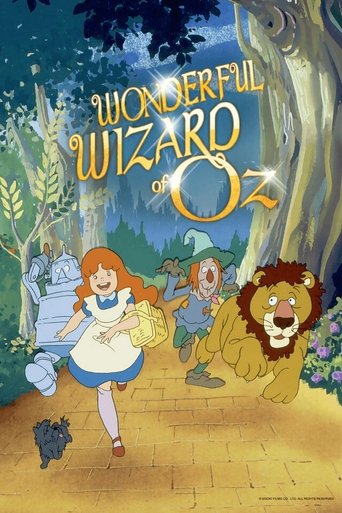
The Wonderful Wizard of Oz, from 1986, tells the story of Dorothy across fifty-two episodes and, unusually, continues beyond the first book into three of its sequels, so that viewers meet Princess Ozma and the Nome King as well as the Scarecrow and the Tin Woodman. The Wonderful Galaxy of Oz, from 1992, moves the same characters into space. The wooden puppet appears twice: Pinocchio: The Series, from 1972, made by the Tatsunoko studio, is the darker and stranger version, and The Adventures of Pinocchio, from 1976, by Nippon Animation, is the gentler, with a duckling for a companion.
The Adventures of the Little Prince, from 1978, takes the small traveller of the French book from planet to planet, catching a passing comet with a butterfly net. The Secret Garden, The Adventures of Huck Finn, My Patrasche, from the story of a boy and his dog in Flanders, The Mischievous Twins, from a series of English school stories, and The Girl in the Wind: Jeanie with the Light Brown Hair, inspired by an American song, are from the early 1990s. Andersen Monogatari, from 1971, Manga Fairy Tales of the World, which ran for 245 short episodes, and The World's Most Famous Tales retell the fairy tales.
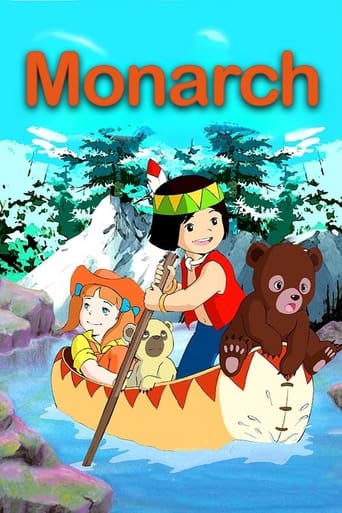
Animal stories were a favourite. Monarch: The Big Bear of Tallac, from 1977, and Bannertail: The Story of Gray Squirrel, from 1979, are both taken from the books of the naturalist Ernest Thompson Seton, and they show the mountains and forests of North America with real respect. Tico and Friends, from 1994, is about a girl who travels the oceans with her father, a marine biologist, and a killer whale she has known since she was small. Noozles and Adventures of the Little Koala, both from 1984, were made when Japan first fell in love with the koala, Taotao is about a panda cub in the Chinese mountains, and Hey! Bumboo is about a little yellow car that hatches from an egg.
Several of these series were made with European partners, and the Made with Europe help page lists them. The Mysterious Cities of Gold, from 1982, a production of French and Japanese studios, is among the most loved adventure serials ever shown on television. In 1532 Esteban, an orphan of Barcelona who seems able to call out the sun, sails for the New World in search of his father and the seven cities of gold, with Zia, an Inca girl, and Tao, the last descendant of a lost empire. They cross the Andes and the Amazon in a ship that runs on sunlight and a great golden bird, and each episode ended with a short documentary on the history behind the story.
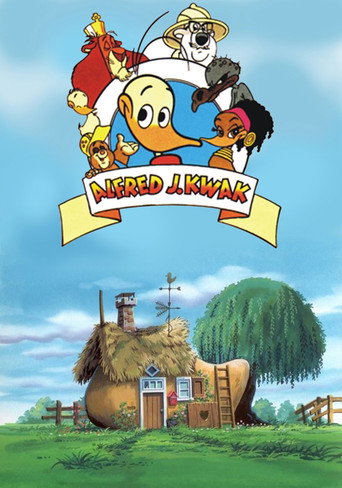
Alfred J. Kwak, from 1989, was created by the Dutch entertainer Herman van Veen and animated in Japan. Alfred is a duck who loses his family as a duckling and is raised by a kindly mole; he grows up cheerful, brave and principled, and the series does something rare in children's television by letting him meet real questions, unfair rulers, greed, the protection of nature, in terms a child can follow. Calimero, from 1974, is the little black chick with half an eggshell for a hat, born in Italian television advertisements. Mrs. Pepper Pot, from 1983, comes from Norwegian stories about a farmer's wife who shrinks to the size of a teaspoon at awkward moments, and Little Pollon, from 1982, is a comedy about the small daughter of the sun god on Mount Olympus who longs to become a goddess.
Magical girls
The magical girl is one of Japan's own inventions: an ordinary schoolgirl who is given, or is born with, a power that she must keep secret. The Magical girls collection holds 25 titles, and the Magical girls help page arranges them by period.
Magical Mako, from 1970, is one of the earliest. It borrows from the tale of the little mermaid: Mako, the daughter of the sea king, gives up her life in the ocean to live among people. Flower Angel, from 1979, sends a cheerful girl called Lulu across Europe with a talking dog and a cat in search of a flower of seven colours, helping someone in every town and leaving a packet of seeds behind; it was shown all over the world. Nana the Supergirl, Mami the Psychic, from the pen of a famous cartoonist, and Vanessa Et La Magie Des Rêves, about a girl raised on the plains of Africa who comes to Japan, are from the 1980s.
Magical Angel Creamy Mami, from 1983, changed the genre. Yu, who is ten, is given a magic wand for one year by a visitor from a ship of feathers, and with it she can become a girl of sixteen. In that form she is discovered by a talent agency and becomes a pop singer, while the boy she likes at school falls for her older self and ignores the real one. The songs were sung by a new young singer who became a star along with the character, and the series set the pattern of the magical girl as performer. It was the first of a line of such series from the Pierrot studio.
The 1990s played with the form. Floral Magician Mary Bell, from 1992, is a gentle series about a flower fairy who helps two children run their parents' flower shop. Magical Girl Pretty Sammy and Magical Project S are affectionate parodies. Magic User's Club! is about a school club of five clumsy young magicians and the enormous bell-shaped visitor floating over Tokyo. Idol Project, Mamotte Shugogetten, I'm Gonna Be An Angel! and The Adventures of Mini-Goddess, in which three goddesses shrink to the size of a hand and share their adventures with a rat, are light comedies, and a short film, Make-Up: Bishôjo Senshi Sailor Moon, looks back at the most famous magical girl of all.
Romance for the same audience is represented by the film of Candy Candy: The Movie, from the beloved story of an orphan girl in America, by Marmalade Boy and Hana Yori Dango: The Movie, both drawn from popular comics for girls, by Miyuki, from 1983, and by Clamp in Wonderland, a music video that gathers the characters of a celebrated group of women artists.
Robots and space
The Robots and space collection is the largest on RareAnimes, with 88 titles, and the Robots and space help page divides it.
Astro Boy, from 1980, is where any history must start. The character was created in 1952 by Osamu Tezuka, the father of modern Japanese comics, and the black-and-white series of 1963 was the first weekly anime on television. The 1980 version is the colour remake, supervised by Tezuka himself, and it tells the story from the beginning: a scientist who has lost his son builds a robot boy in his image, rejects him, and the boy, taken in by the kindly Professor Ochanomizu, becomes a protector of both people and robots. Its fifty-two episodes are gentle, inventive and sometimes sad, and they remain the best introduction to Tezuka for younger viewers.
The giant robot of the 1970s grew friendlier in the 1990s. Shippuu! Iron Leaguer, from 1993, imagines a future in which robots play football, baseball and every other sport in professional leagues, and follows a team of honest players against opponents who cheat. Energetic Explosion Ganbaruger, Emergency Departure Rescue Kids and Twelve Warrior Explosive Eto Rangers gave the controls to schoolchildren. NG Knight Lamune & 40, from 1990, and its sequel VS Knight Lamune & 40 Fire are comic fantasies about a boy pulled into the world of a video game, Lord of Lords Ryu Knight is a quest in a land of knights who ride robots, and Raideen the Superior turns five young singers into heroes.
Space opera has a distinguished shelf. Leiji Matsumoto, the artist of long-haired heroines and sailing ships among the stars, is represented by Queen Emeraldas, from 1998, about a solitary woman who travels the galaxy in a ship marked with a skull, and by Harlock Saga - The Ring of the Nibelungs, which sets his space pirate inside the story of an opera by Wagner. X-Bomber, from 1980, is a curiosity: a space adventure performed entirely by puppets, designed by the comic artist Go Nagai, which was shown in Britain under another name and is fondly remembered there. Sol Bianca: The Legacy, Maps, Galaxy Fraulein Yuna, Mighty Space Miners, a carefully realistic story of an accident on a mining asteroid, and Space Pirate Mito, in which a schoolboy learns that his mother is a tiny and notorious pirate, range from serious to silly.
Science fiction on Earth includes Green Legend Ran, from 1992, set on a dried-out planet where water is the only wealth; Kurogane Communication, about a girl who may be the last person alive and the five robots who look after her; Ambassador Magma, from a Tezuka story about a golden giant; Super Atragon, about a flying battleship; and Starship Girl Yamamoto Yohko, whose heroine is recruited from a games arcade to race spaceships a thousand years in the future. Two well-known games became series: Power Stone and Sakura Wars, which is set in an imaginary 1920s Tokyo where a troupe of actresses defends the city in steam-driven armour.
Comedy
The Comedy collection holds 55 titles, and the Comedy help page picks from it.
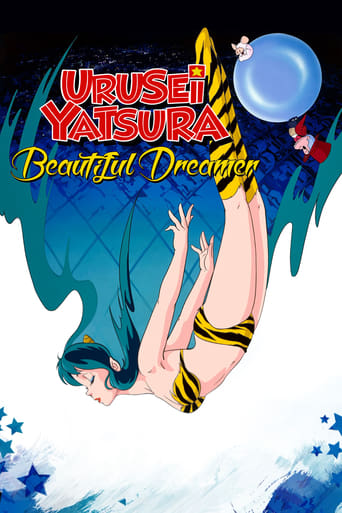
Urusei Yatsura, which began in 1981 and ran for 218 episodes, is the great comedy of its decade. It comes from the comics of Rumiko Takahashi, then in her early twenties. Ataru, the unluckiest and most flirtatious schoolboy in Japan, is chosen to save the Earth by winning a game of tag against Lum, the daughter of invaders from space, who can fly and gives electric shocks. He wins, and through a misunderstanding she decides they are engaged and moves into his cupboard. Around them gathers a cast of dozens, drawn from Japanese folklore and science fiction alike. The young directors who worked on it went on to shape the whole industry, and the second of its films, Urusei Yatsura: Beautiful Dreamer, from 1984, in which the characters find themselves living the same day before the school festival again and again, is regarded as one of the finest animated films of the 1980s. Urusei Yatsura: Only You and Urusei Yatsura: Remember My Love are also here.
Sazae-san is a different kind of landmark. It began in October 1969 and has been shown every Sunday evening since, which makes it the longest-running animated series in the world. It follows a cheerful housewife, her parents, her husband, her small son and her brother and sister through the small events of an ordinary household, three short stories a week, and it has become so much a part of Japanese life that the end of the weekend is named after it. The Genie Family, also from 1969, is about a boy who finds a bottle containing a clumsy genie who appears when anyone sneezes, and his daughter, who appears when anyone yawns.
The partnership of cartoonists known as Fujiko Fujio, famous for a blue robot cat, wrote many other gentle comedies, and the Fujiko and friends help page lists those here. In 21 Emon, from 1991, the son of a family that has kept a small hotel for twenty generations dreams of travelling in space. In Mojakou, an ordinary boy befriends two visitors from another world. Pro Golfer Saru is about a wild boy from the mountains with a wooden club he carved himself, Umeboshi-denka is about a small prince from a distant planet who moves in with an ordinary family, and Mami the Psychic is about a schoolgirl who discovers that she can move things with her mind.
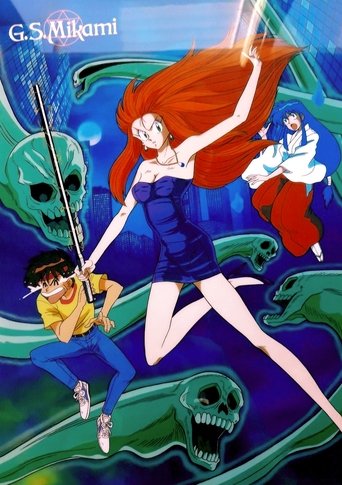
The comedies of the 1990s are faster. Ghost Sweeper Mikami, from 1993, follows a glamorous and money-minded professional who clears buildings of troublesome spirits for a large fee, with a lazy assistant and a friendly ghost on the payroll. El-Hazard: The Magnificent World, from 1995, transports a schoolboy, his teacher, his rival and a friend to a land out of the Arabian Nights, where each acquires a different power; El-Hazard: The Wanderers retells the story for television and El Hazard: The Alternative World continues it. All Purpose Cultural Cat Girl Nuku Nuku is about a household robot with the brain of a kitten, Tottemo! Luckyman about a hero whose only power is good fortune, Nangoku Shounen Papuwa-kun about a boy and his dog on a tropical island, and Jubei-chan the Ninja Girl: Secret of the Lovely Eyepatch about a modern schoolgirl who inherits the skills of a great swordsman each time she puts on a heart-shaped eyepatch.
Legend of Black Heaven, from 1999, deserves a special word. Its hero is a tired office worker and father whose one happy memory is of the rock band he led in his youth; when a mysterious woman asks him to pick up his guitar again, he learns that his playing powers a weapon in a war among the stars. It is a comedy for grown-ups about middle age, and it stands quite alone.
Short video series
From the middle of the 1980s Japanese studios began to make animation for sale directly on video cassette, in series of two to six episodes. Free of television schedules, these productions could be odd, lavish or experimental, and many were seen by few people. The Short video series collection holds 35 of the friendlier ones, and the Short video series help page describes them.
Moldiver, from 1993, is a bright superhero comedy: a young engineer invents a suit that makes its wearer invincible, and his sister borrows it and redesigns it to her own taste. Battle Athletes, from 1997, is set in the year 4999 at a university in orbit, where young women train for a great athletic title. Tenamonya Voyagers, 801 T.T.S Airbats, about the pilots of a display squadron, Assemble Insert, Blazing Transfer Student and Idol Defense Force Hummingbird are comedies, and Ariel and Ariel Deluxe concern a giant robot built by a scientist in the likeness of his granddaughters, who must pilot it.
Fantasy and adventure are represented by Fire Emblem, from 1996, the first anime made from that series of games; Legend of Crystania: The Chaos Ring; Ellcia; Dragon Slayer; Armored Dragon Legend Villgust; Elf Princess Rane; Detatoko Princess; and Salamander, also from a game. A Piece of Phantasmagoria, from 1995, is something else again: fifteen short episodes, each a few minutes long, set on a small planet of lighthouses, bakeries and observatories, taken from the picture books of Shigeru Tamura. It is calm, luminous and unlike any other title here. A two-part comedy of 1991 from the Gainax studio, listed in the collection, mixes a story about two friends who decide to become the greatest fans in the world with mock interviews, and it is a portrait of the people who made and loved these videos.
For children
The For children collection holds 39 series made for younger viewers, and the For children help page arranges them. Hello Kitty and Friends, from 1989, places the famous white kitten and her companions in well-known fairy tales. The Littl' Bits, from 1980, is about a village of tiny people in a forest. BuBu ChaCha, from 1999, is about a small boy whose toy car holds the spirit of his dog. Kobo, the Li'l Rascal, Onegai! Samia-don, from a classic English children's novel about a creature that grants wishes, Genji Tsuushin Agedama, about a schoolboy who is secretly a hero in training, Jankenman, Dash! Yonkuro, about races between miniature cars, and Paul's Miraculous Adventure, from 1976, belong on the same shelf.
Adventure
The Adventure collection holds 54 titles, and the Adventure help page sorts them into journeys and fantasy worlds. Besides The Mysterious Cities of Gold, the journeys include Time Quest, from 1989, a comedy about two children carried through history by a talking kettle; Jura Tripper, from 1995, which strands a class of schoolchildren in a land of dinosaurs and is loosely based on a novel by Jules Verne; Fantascience World Gulliver Boy; and Dinosaur Corps Koseidon, from 1978, a live-action and special-effects serial from the studio that made a famous giant hero.
Fantasy worlds with a Japanese flavour appear in Yamato Takeru, which borrows the name of a legendary prince for an adventure among the stars, Shin Hakkenden, from a classic tale of eight warriors, Karasu Tengu Kabuto, Tatakae!! Ramenman, a comedy of martial arts set in old China, and Gandalla: The King of Burning Desert. Popolocrois Monogatari, from 1998, taken from a much-loved game, is the gentlest of them: Pietro, the young prince of a small kingdom, sets out with a forest girl and a boastful inventor to learn why his mother has slept since he was born. Cybuster, DT Eightron and Mission Outer Space Srungle are adventures with machines.
Long runners
The Long runners collection holds 41 series of 48 episodes or more, and the Long runners help page explains why there are so many. Until the 1990s the usual contract for a children's series in Japan was for a full year of weekly episodes, fifty-two in all, and a success would simply be renewed. Astro Boy, Alfred J. Kwak, The Wonderful Wizard of Oz, Magical Angel Creamy Mami, Flower Angel and the two Pinocchio series all run for about a year.
Some went much further. Mrs. Pepper Pot and Hey! Bumboo have 130 short episodes each, Mami the Psychic has 119, The Mysterious Cities of Gold is listed with 117 including its later seasons, Pro Golfer Saru has 153, Urusei Yatsura 218 and Manga Fairy Tales of the World 245. Sazae-san, with more than two and a half thousand weekly broadcasts, is in a class of its own. A long series is best enjoyed as it was made to be, an episode or two at a time over many weeks, and the episode count on every poster helps in choosing.
Films
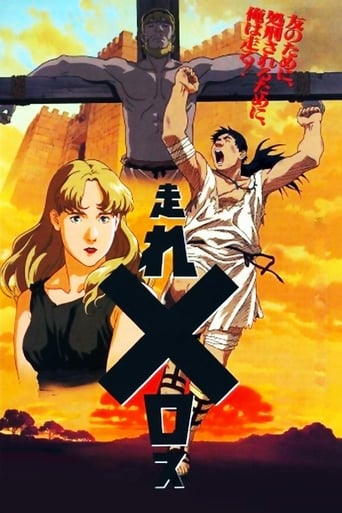
The Movies collection holds 20 films and specials, and the Films help page lists them. Three of the finest are drawn from Japanese literature. Run, Melos!, from 1992, is taken from a famous short story by Osamu Dazai, itself based on a Greek legend: a shepherd condemned by a suspicious king is allowed three days to attend his sister's wedding, while his friend stands hostage for his return. Spring and Chaos, from 1996, is a portrait of the poet and children's author Kenji Miyazawa, told with a cast of cats and with bursts of visionary animation. The Dog of Flanders, from 1997, retells for the cinema the story of the boy Nello, who longs to be a painter, and his dog Patrasche.
Ursa Minor Blue, from 1993, by the picture-book artist Shigeru Tamura, is a dreamlike journey of a boy and an old man through a sea of stars. Blue Butterfly Fish follows a diver in search of a legendary fish, Bobby's Girl, from 1985, is a stylish short film about a boy who loves motorcycles, and Gondora is a brief experiment. The Jungle Book condenses a television series about the boy raised by wolves, GATCHAMAN revisits a team of science heroes from the 1970s, and The Uncut Story of Mewtwo's Origin, from 1999, is the short prologue to a famous film about pocket monsters. Galaxy Fraulein Yuna Returns: Dawn of the Dark Sisters and Cyber Team in Akihabara: The Movie continue popular series.
The people behind the series
A few names recur throughout the catalogue. Osamu Tezuka created Astro Boy and Ambassador Magma. Rumiko Takahashi created Urusei Yatsura. Leiji Matsumoto created the worlds of Queen Emeraldas. Go Nagai designed X-Bomber. The Tatsunoko studio made The Genie Family, Pinocchio: The Series and Paul's Miraculous Adventure; Nippon Animation, the house of the storybook serial, made Monarch: The Big Bear of Tallac, The Adventures of Pinocchio, Bannertail: The Story of Gray Squirrel, Noozles and Tico and Friends; the Pierrot studio made The Mysterious Cities of Gold, Urusei Yatsura and Magical Angel Creamy Mami; and Toei Animation, the oldest of them all, made Flower Angel, Calimero and Ghost Sweeper Mikami.
The studios named on each title page are a useful guide. A viewer who enjoys one storybook serial from Nippon Animation will almost certainly enjoy the others, and the comedies of the studio called AIC, among them El-Hazard: The Magnificent World, Battle Athletes, Moldiver and Legend of Black Heaven, share a cheerful, colourful house style that is easy to recognise.
Year by year
Four collections arrange the catalogue by date, and the Year by year help page describes them. The Before 1980 collection holds 15 titles, from Sazae-san and The Genie Family, both of 1969, through Magical Mako, Andersen Monogatari, Calimero and Monarch: The Big Bear of Tallac to The Adventures of the Little Prince and Flower Angel. These are the years of hand-painted cels, modest budgets and great charm.
The The 1980s collection holds 33: Astro Boy, X-Bomber, Urusei Yatsura, The Mysterious Cities of Gold, Little Pollon, Magical Angel Creamy Mami, Mrs. Pepper Pot, Noozles, The Wonderful Wizard of Oz and Alfred J. Kwak. It was the decade in which anime reached the televisions of the world, while most of its viewers had little idea where it came from.
The 1990 to 1994 collection holds 50 titles, among them NG Knight Lamune & 40, 21 Emon, Run, Melos!, Floral Magician Mary Bell, Ghost Sweeper Mikami, Shippuu! Iron Leaguer, Moldiver and Tico and Friends. The 1995 to 1999 collection is the largest, with 59: El-Hazard: The Magnificent World, A Piece of Phantasmagoria, Spring and Chaos, Sakura Wars, Battle Athletes, Queen Emeraldas, Popolocrois Monogatari, Power Stone, Legend of Black Heaven and Magic User's Club!. In these years the computer began to replace paint, and late-night broadcasting opened room for stranger ideas.
The Top rated collection gathers the 52 titles rated 7 or more out of ten by at least three viewers around the world. Older anime is rated by a small number of devoted people, so the figures should be taken as a hint; the first numbered list on the home page, ordered by the number of votes, is a second guide.
Finding a title
There are several ways to find a title on RareAnimes, and the Finding titles help page describes each one. The large search box at the top of the home page accepts a name and shows matching titles as you type. The tabs open the main collections, the A to Z page lists all 157 titles in alphabetical order, and the Series and Movies pages list them by popularity.
Names need a little patience, since many of these series were shown abroad under several titles. The catalogue uses the commonest English name where one exists, such as Flower Angel or The Genie Family, and the Japanese name written in English letters where one is lacking, as with Shin Hakkenden or Mamotte Shugogetten. Each title page also gives the original Japanese title. If a search finds too little, try one distinctive word, Pollon, Emeraldas or Phantasmagoria, or a name from the original language.
What a title page shows
Every title has a page to itself. The poster is at the top with the English and Japanese titles, the year, the number of seasons and episodes or the running time, and the average rating from viewers around the world. The story follows, with the genres, the studio and the people who made the series, and then a row of related titles from the same collections. The Watch now button lists the official services that offer the title in your country.
It is fair to say that older anime is the hardest kind of animation to find legally, which is the reason for the name of this site. Even so, the situation improves each year. Specialist anime services have licensed large parts of the back catalogues of the old studios, several rights holders run official channels that show classic series free with subtitles, and restored editions on disc are regularly announced. Where a title is available, the list on its page will say so, and where it is absent in one country it may be present in another, so it is worth trying a second region in the country menu.
The Add to My List button on a title page keeps a title for later. The list is stored in your browser on your own device, needs neither a sign-up nor a password, and opens from the My List link at the end of the yellow menu. The My List help page explains how to take a title off the list and how to copy the list to another device.
A first week
Here are seven evenings for a household new to classic anime. On the first, watch two episodes of Astro Boy. On the second, begin The Mysterious Cities of Gold, and expect to be asked for a third episode. On the third, laugh with Urusei Yatsura. On the fourth, meet Alfred J. Kwak. On the fifth, try Magical Angel Creamy Mami. On the sixth, watch the short and lovely A Piece of Phantasmagoria, and on the seventh, a film: Run, Melos! for older children or The Dog of Flanders for the whole family.
A second week might hold Flower Angel, Queen Emeraldas, El-Hazard: The Magnificent World, Shippuu! Iron Leaguer, The Wonderful Wizard of Oz, Moldiver and Urusei Yatsura: Beautiful Dreamer. For small children, choose Calimero, Hello Kitty and Friends or Noozles; for teenagers, Sakura Wars, Battle Athletes or Power Stone; and for adults who grew up with these series, Legend of Black Heaven and Spring and Chaos.
Parents who remember some of these titles from their own childhood, perhaps under a different name and in a different language, may enjoy looking for them. Flower Angel, Calimero, Little Pollon, The Mysterious Cities of Gold and the two Pinocchio series were daily viewing in France, Italy, Spain, Germany, the Arab world and much of Latin America, and discovering that a cartoon of one's youth was made in Tokyo is one of the small pleasures this catalogue offers.
Why old anime is worth the search
It would be easy to treat these series as curiosities, yet they have qualities that newer productions often lack. They were drawn and painted by hand, frame by frame, on sheets of clear plastic, and the slight wobble of a line or the grain of a painted sky gives them a warmth that viewers notice even if they are unable to say why. Their stories take their time. A storybook serial will spend a whole episode on a single afternoon in a forest, and a child who watches it learns patience as well as the plot.
They also show where the present came from. The transformation scenes of the magical girls, the friendly robot, the school comedy in which a strange visitor moves in, the crew of misfits on a spaceship: every one of these familiar patterns was worked out in the series gathered here, and seeing the early versions makes the later ones more interesting. The young people who drew Urusei Yatsura and Magical Angel Creamy Mami in the early 1980s were the teachers of the artists who work today.
And they are simply good company. The best of them, Alfred J. Kwak, The Mysterious Cities of Gold, Astro Boy, were made by people who took children seriously, who believed that a young audience could follow a long story and care about fairness, loss and courage. That respect has kept them alive for forty years in the memories of those who saw them, and it is the reason a guide like this one exists.
Watching with younger viewers
Most titles in the catalogue were made for children or for family audiences, and the collection headed For children is the safest place to begin with the very young. The storybook classics suit children from about six, though parents should know that these series follow their books honestly, and stories such as the one about the boy and his dog in Flanders end in tears. The comedies and robot series of the 1990s, and the short video series, were aimed at viewers of ten and over, with some comic fighting and the occasional joke for older eyes.
Subtitles are a consideration too. A few of the best-known series exist in English and other dubbed versions, and the services listed on each title page show which languages they offer; many of the rarer ones are available only in Japanese with subtitles, which suits confident readers. Watching a subtitled episode together and reading it aloud for a younger child is a pleasant way to share a series, and more than one family has learned its first words of Japanese that way.
A short glossary
A few terms will help a newcomer. Anime is simply the Japanese word for animation, and abroad it has come to mean animation made in Japan. Manga are Japanese comics, from which a large share of these series were adapted. A cel is one of the transparent sheets on which every frame was painted before computers took over at the end of the 1990s; the cels of famous series are now collected like prints. An OVA, or original video animation, is a production made for sale on video instead of for broadcast, the kind gathered in the Short video series collection.
Shojo means girl, and shojo anime, such as Marmalade Boy or Candy Candy: The Movie, are stories of feeling and romance made for girls; shonen means boy, and shonen series favour adventure, sport and friendship. Mecha, short for mechanical, covers every story of giant robots and the people who pilot them. A magical girl series is called maho shojo. The word kodomo, child, marks series for the very young, and the tag appears on several title pages. The opening and ending songs of a series, known as the OP and the ED, were often hits in their own right and are well worth hearing in full.
Two more words are useful when reading about these series. A seiyu is a voice actor, a respected profession in Japan with stars of its own; the young actress who sang as Creamy Mami and the actress who gave Lum her distinctive way of ending sentences became famous through those parts. And a cour is a block of about thirteen weekly episodes, a quarter of a year, which is why so many series of the late 1990s have thirteen or twenty-six episodes, while the older ones, sold by the year, have fifty-two.
Songs and scores
Music is a large part of the charm of older anime. The storybook serials opened with songs sung by children's choirs, simple tunes that a generation can still hum. The magical girl series of the 1980s were built around pop songs, and Magical Angel Creamy Mami released its heroine's records as though she were a real singer. The composer Joe Hisaishi, later famous around the world for his film scores, wrote for television in these years, and the scores of The Mysterious Cities of Gold, with their synthesisers and pan pipes, are remembered as fondly as the story.
The 1990s brought fuller orchestras and rock bands. Sakura Wars is a musical at heart, since its heroines are stage actresses, and its theme song is still performed at concerts. Legend of Black Heaven is about a guitarist and sounds like it. Queen Emeraldas and Harlock Saga - The Ring of the Nibelungs use grand symphonic music to match their sailing ships among the stars. Many of these soundtracks have been reissued and can be found on the music services, which is one way of keeping a favourite series close. A good test of an old series is whether its opening song stays in the head the next morning, and by that measure a surprising number of the titles gathered here still pass after thirty or forty years.
How the catalogue is kept
RareAnimes lists a title only after a person has looked at it. The story, the intended audience and the reputation of each series are checked, and the horror, the heavy violence and the adult material that were common on video in the 1980s and 1990s are kept out. The descriptions are short and plain, the years and episode counts are compared with the public databases, and the posters are the official ones. The numbered lists on the home page and the counts beside each collection are rebuilt each time the catalogue is refreshed.
RareAnimes is a guide. It holds neither episodes nor files to download; the Watch now button opens an official, licensed service, so the studios that made and preserved these series are paid when you watch.
Questions and answers
Questions
What is RareAnimes?
RareAnimes is an English guide to 157 classic anime made between 1969 and 1999, 137 series and 20 films. Each title has a page with its story, year, episodes and studio, and a Watch now button that leads to the official services carrying it in your country.
Which titles should I watch first?
Start with Astro Boy, The Mysterious Cities of Gold, Urusei Yatsura, Alfred J. Kwak, Magical Angel Creamy Mami and A Piece of Phantasmagoria. The first-week plan in the guide suggests many more.
Is the catalogue suitable for children?
Most titles were made for children or families, and all were chosen by hand. The For children collection is the best place to start with the very young.
Why are some titles hard to find?
Older anime has been licensed less widely than new series. The list on each title page shows where it is available, and trying another country in the menu sometimes helps.
Are the series dubbed or subtitled?
Some of the best-known series have English and other dubbed versions. Many of the rarer ones are in Japanese with subtitles. The services listed on each title page show the languages they provide.
What is a short video series?
It is a series of two to nine episodes made for sale on video cassette in the 1980s and 1990s. The Short video series collection holds 35 of them.
How does My List work?
Press Add to My List on the page of any title. The list is kept by your own browser, free of charge, and the My List link in the menu opens it.
Does RareAnimes host episodes or downloads?
RareAnimes is a guide only. Every Watch now button leads to an official, licensed service.